
When plumbing issues arise in the home, deciding whether to call an Plumber for emergency services or a regular plumbing appointment can make all the difference. Knowing the distinctions between these two types of Plumbers is essential for homeowners dealing with urgent situations or planning routine maintenance. This article will delve into the specifics of emergency and regular plumbing services, highlight their differences, and guide you in choosing the most suitable service for your home and family needs.
Emergency Plumbing Services Explained
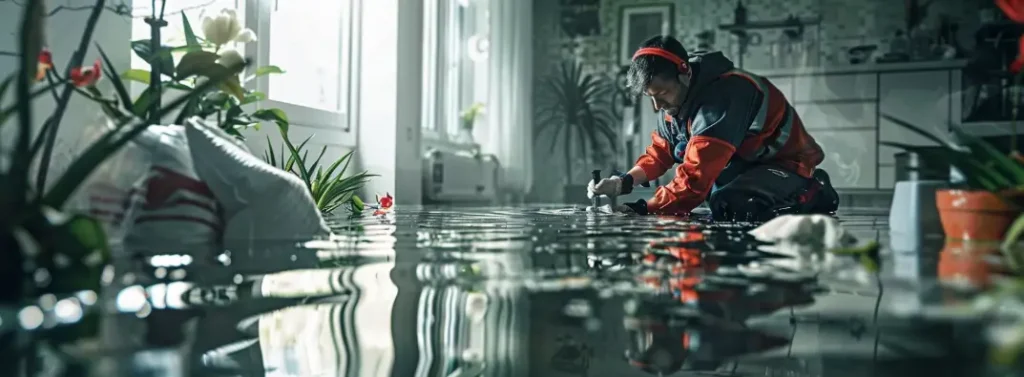
Emergency plumbing services are designed to address urgent issues that require immediate attention, such as severe leaks, burst pipes, or major clogs that threaten home safety or lead to significant water damage. Homeowners often face these situations unexpectedly and need rapid assistance to prevent further complications. Emergency Plumbers are typically available 24/7 and can quickly respond to calls, providing the necessary repairs to stabilize the situation.
One essential aspect of emergency plumbing is its impact on indoor air quality. When water damage occurs, it can lead to mold growth and poor air conditions, necessitating an Indoor Air Quality Assessment to ensure the home environment remains safe. Emergency Plumbers often work alongside professionals who specialize in these assessments to mitigate risks effectively.
Additionally, emergency plumbing services may require specialized equipment to handle severe situations, such as hydro-jetting tools for clearing major blockages or advanced leak detection systems. This ensures that the problem is resolved efficiently, minimizing damage and restoring the home to a safe condition.
Regular Plumbing Services Overview
Regular plumbing services, on the other hand, focus on routine maintenance and non-urgent repairs. These services are ideal for homeowners seeking to maintain their plumbing systems and prevent future emergencies. Regular Plumbers can help with installations, such as new fixtures, or perform preventive checks to ensure everything is functioning correctly.
Incorporating smart home integration into regular plumbing maintenance can enhance efficiency and convenience. Homeowners can schedule services that include installing smart water meters or automated leak detection systems, which can alert them to potential issues before they become emergencies.
Moreover, a regular Plumber can conduct an energy efficiency audit of your water usage, recommending ways to conserve water and reduce utility bills. This proactive approach not only saves costs but also contributes to sustainable living practices within the home.
Key Differences Between Emergency and Regular Plumbing
The primary difference between emergency and regular plumbing services lies in their urgency and availability. Emergency Plumbers are equipped to handle immediate threats to your home, offering services at any hour, while regular Plumbers focus on planned maintenance during typical working hours.
Cost is another factor that sets these services apart. Emergency plumbing services often come with higher fees due to the immediate response and specialized equipment required. Regular plumbing services are generally more affordable, providing routine checks and upgrades that prevent costly emergencies.
Additionally, the scope of work differs significantly. Emergency Plumbers deal with urgent repair needs that may involve substantial damage control, while regular Plumbers focus on installations, upgrades, and preventive maintenance. Understanding these differences helps homeowners make informed decisions based on the situation at hand.
Choosing the Right Plumbing Service for Your Needs
To determine the right plumbing service, homeowners should assess the severity and urgency of the issue. An emergency Plumber is necessary for situations posing immediate threats, such as a burst pipe or significant leaks. For routine maintenance or minor repairs, regular plumbing services are more suitable.
Consider your home’s specific needs, such as energy efficiency or smart home upgrades, which can be addressed during regular plumbing appointments. If your home has unique characteristics, such as sustainable landscaping practices or universal design principles, ensuring compliance with homeowner association regulations may also influence your choice.
Ultimately, the decision will depend on the balance between urgency, cost, and long-term home maintenance goals. By understanding the distinctions between these services, homeowners can make informed choices that protect their home and family.
Conclusion
Choosing between emergency and regular plumbing services depends on the urgency of the issue and your long-term home maintenance goals. Emergency services offer immediate assistance during critical situations, while regular services provide ongoing maintenance and upgrades. For homeowners, evaluating the nature of the problem and aligning it with personal preferences and budget will ensure the best choice for a safe and efficient home environment.