
For years, I have been deeply immersed in the textile industry, overseeing the production and international distribution of silk products. While we had built a strong foundation in producing high-quality accessories, I started noticing a recurring gap in the market when it came to intimate apparel. Consumers were becoming increasingly frustrated with the “one-size-fits-all” approach, especially in categories where comfort is the absolute highest priority. Why I Decided to Launch a Custom Silk Sleepwear Line: details below:
Earlier this year, I made the strategic decision to set up an entirely new production line dedicated specifically to sleepwear. Moving from accessories to full garments is a significant leap. It requires overhauling quality control, sourcing different fabric weights, and, most importantly, rethinking the entire sizing paradigm. I didn’t just want to make another standard set of clothes; I wanted to offer a genuinely personalized experience.
Here is a look behind the scenes at why we pivoted toward a Custom Silk Sleepwear Line, and the manufacturing realities of bringing that vision to life.
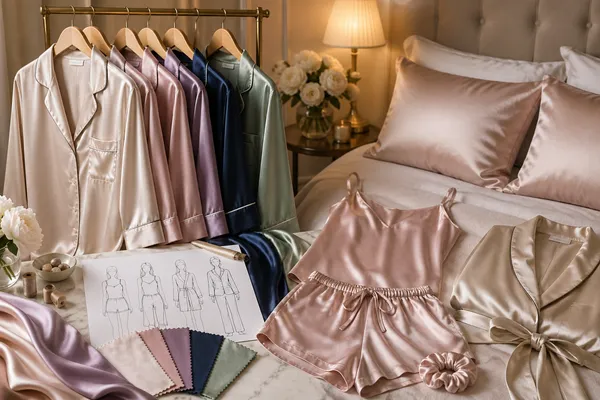
The Problem with Standardized Sleepwear
In the apparel industry, grading patterns for standard sizes (S, M, L, XL) is the most cost-effective way to scale. However, human bodies are not standardized. When dealing with rigid or semi-rigid fabrics like pure mulberry silk—which lacks the forgiving stretch of cheap synthetics—a slight mismatch in shoulder width or inseam length can ruin the entire drape and comfort of the garment.
I realized that if we were going to utilize premium silk, we couldn’t compromise on the fit. True luxury isn’t just about the fabric; it’s about how the fabric interacts with the individual wearer.
Rethinking the Production Line for Customization
Setting up a facility for custom sleepwear production is vastly different from mass manufacturing. We had to shift from a high-volume batch processing mindset to an agile, single-unit flow.
When we were mapping out our broader capabilities for our new bespoke apparel division, I knew we had to integrate digital pattern-making tools with our traditional cutting processes. Every order needed to be treated as a unique project. This meant retraining our cutting technicians to work directly from individualized spec sheets and adjusting our sewing line to accommodate varying design details like personalized embroidery or specific piping colors.
The intricacies of silk pajama manufacturing demand a level of precision that leaves zero room for error. It was a logistical challenge, but it allowed us to eliminate the massive deadstock inventory that plagues traditional fashion brands.
The Flagship Proof of Concept
The culmination of this newly established production line was our core two-piece set. We spent weeks refining the French seams, testing the durability of the elastic waistbands, and ensuring the fabric maintained its luster after washing.
Our initial rollout, which you can see in our classic sleepwear collection, was born directly from this rigorous testing and development phase. By allowing clients to input their exact measurements and style preferences, we shifted the power dynamic from the manufacturer back to the consumer. As a producer, seeing a garment go straight from our sewing machines to a customer who knows it was made exactly for their body is incredibly rewarding.
Looking Forward: The Future of Slow Fashion
From a manufacturer’s standpoint, embracing personalized production is not the easiest path. It requires higher-skilled labor, meticulous supply chain management, and a slower production rhythm. However, it is the most sustainable path forward. By producing only what is explicitly ordered and ensuring that the final product fits perfectly, we dramatically reduce return rates and textile waste.
The decision to launch this line was ultimately driven by a desire to elevate the standard of what we produce. In an era dominated by fast fashion, taking the time to craft a premium garment is not just a business strategy—it is a commitment to quality that benefits both the consumer and the industry as a whole.