
Ethnic clothes are a part of the fashion world. It’s not just a statement of style but also a reflection of rich traditions and cultures. Wearing ethnic wear to the cycle will instantly make any outfit of yours look even more impressive from a festival or a wedding to a more relaxed stage of life. So, how would you wear ethnic wear that will cover every OC without a problem?
1. Understanding Ethnic Wear
As we start, let’s focus on the question of what the word ethnic wear refers to. Ethnic wear is a term used to refer to clothes that are typical in a particular culture or region. For women, the most commonly known clothes are sarees, lehengas, kurtis, salwar kameez, and anarkalis. The myriad colors and patterns that a woman can bring out with these clothes are mind-boggling, which is nice especially with the variety that she can choose from. Each of these can be styled in unique ways to match the mood and setting of an occasion.
2. Choosing the Right Fabric
The material of the outfit often plays a considerable role in style when it comes to ethnic wear. The correct type can increase the wearing comfort and bring out the outfit’s design. For instance, breathable cotton and linen are the ideal materials for a sunny day whereas silk, and velvet are elegant fabrics that look best at formal events at night time. A lot of new things are making the London buyers the sofa much more like down but of course, they have to deal with the right fame.
3. Wholesale Women Clothing: Affordable Elegance
To find not only complete fashionable products but also not to spend a fortune, wholesale women clothing suppliers might be the best choice. These are the kind of places that have clothing types of the highest quality and excellent prices, making it possible for you to get fantastic clothing on a limited budget. Some of the beautiful and traditional wear include Lehenga with a lot of beautifully cut designs, and kurtis that have just plain linens. With brilliant finishing enhancements, you will see every style of dress wear that is interesting and creates a great impression.
4. Styling Techniques for Different Occasions
a. Festivals
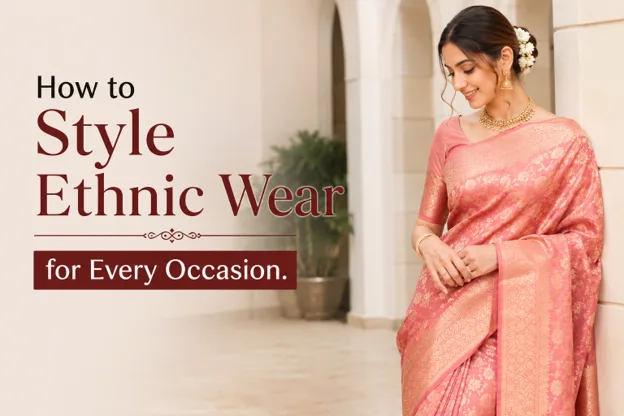
Cultural festivals are a time we come together, and it should be reflected in our attire too. Go for vibrant colors such as orange and blue and colorful designs of animals and stars to celebrate the festival. A simple kurti with a colorful dupatta or sarees with bold jewelry would be the ideal choices. Just keep in mind that more is not always better – in the example below you can see that the model has not added too many accessories to make her overall look more balanced. Her decorations are glowing but very consolidated.
b. Weddings
Weddings are all about the taste of smile and shine, and therefore, you need to be dressed in a colorful traditional way. Although you can wear suits and other menswear are much more in trend now so you should try them. A perfect fabric for a wedding is silk or brocade which should be embroidered with either gold or silver colors. Make sure you have an eccentric twinkle with noticeable, attention-grabbing jewelry, such as chandelier earrings, or a maang tikka that really makes them look stand out.
c. Casual Gatherings
Casual gatherings are for wearing comfy stuff without restrictions. Keep the design simple, use colors that are gentle on the eyes and choose easy-to-wear types. For example, look for cotton-based printed salwar suits or even churidars which are very clean in their make on the other hand, are very nice as well. Wearing nice quality shoes with the churidar is a must if you want to really be stylish and tendentious. Either a quality scarf or a delicate light dupatta can be the good ending of the look.
5. Experiment with Draping Styles
Speaking of sarees, they are the most multifunctional ones among the ethnic elements of your wardrobe. Their unique look comes from the draping styles one can come up with. Nivi style is a classic type, drawing contrast with the modern designs of mermaid and butterfly (multi) drapes. Each style has a particular appeal to the spectators making you look so different and in a good way.
6. Wholesale Sarees: A Treasure Trove of Varieties
If you are interested in sarees, wholesale sarees are the real treasure of variety and types. Wholesale sources offer a wide range of sarees from the traditional south Indian Kanjivarams to the latest georgette type. You can wear these sarees for your family’s traditional garments hence they are the best ones for any occasion.
7. Accessorizing Smartly
Among the key features of any Indian attire, one cannot ignore the role of the accessories too. Earrings, bracelets, neck pieces and hair clips may serve extra! The point is to pick things that match your outfit color and work accordingly. When you don’t know what else to add to make a statement, choose gold, as it is the most often-used jewelry option when it comes to ethnic wear.
8. Incorporating Modern Trends
While the reason for wearing a native-style piece may be a traditional one, the addition of current tendencies to it can render it more attractive. Be bold and try something like embroidered crop-tops or maybe a saree draped in a new novel way as with a shoulder strap off. The trend of fusion wear is also elevating as it is a new concept to many people, the type of fashion is growing independently.
9. Footwear to Complement Ethnic Wear
Footwear should not be something to snatch people’s attention, but it must be complementary to your dress. Chappals and Juttis are suitable to be worn with the kurtis and salwar kameez styles, whereas heels can be used with sarees and lehengas to add height to your outfit. At the same time, the style of the shoes should match the clothes.
10. Hair and Makeup
The hairstyle and makeup also contribute significantly to the final look and style, and are thus needful components to be matched very carefully. For instance, In an Indian wedding, you can put red hair clips or white flowers on your hair that when matched with the suit’s color will look attractive. Makeup should not be overpowering but instead, it should not contrast with the colors and atmosphere of the event.
The art of styling ethnic wear for every occasion is an interface of traditions with personal expression. Regardless of whether it is the unique occasion of the wedding, the period of festivals and fun or simply a common day, there is a limitless spectrum of options to reveal and create your unique style. You should opt for a nice pair of accessories and clothes not just in accordance with occasion but also bringing the real you out. That balance is the secret to amazing performance. Take care and have a lovely time with the people you love!
Frequently Asked Questions
1. What is ethnic wear?
Traditional attire or wear that is exclusive to a particular place or culture is called ethnic wear. It is such things as sarees, lehengas, kurtis, salwar kameez, and anarkalis which are often rich in color and design.
2. How can I style ethnic wear for a wedding?
For weddings, wear silk or brocade with elaborated embroidery in gold or silver. The outfit can be completed with statement jewelry like chandelier earrings or a maang tikka that will add to the overall elegance of the look.
3. What is the significance of choosing the right fabric in ethnic wear?
The texture of the carefully chosen fabric is the key for the outfit’s comfort and look. Cotton that is skin-friendly is good for normal wear, while luxurious fabrics such as silk and velvet should be used for the formal occasion.
4. How can I incorporate modern trends into ethnic wear?
Sleek designs are the new face-lift to the traditional look in the fashion business, examples are bringing together a modern styled top with a classical skirt, and coming up with new different ways to wear the saree. Additionally, accessorizing with modern pieces of jewelry can pull a traditional outfit into the present.
5. What are some popular accessories to wear with ethnic clothing?
Earrings, Necklaces, Bangles, and Rings are among the accessories that go very well with ethnic wear. Of course, the ideal is the choice to go along with hues and fashion. A nice pair of juttis or any other traditional styled shoes can be a magnificent complement to complete the whole outfit.