
Moving has a funny way of looking simple right up until it isn’t. One minute, you’re folding towels. The next, the tape roll has vanished, the “kitchen” marker is in the bedroom, and someone is wrapping coffee mugs in yesterday’s hoodie. Not ideal. In this article, we are discussing details on the Must-Have Items on Every Moving Supplies Checklist.
A smoother move starts before the first box closes. With the right essential moving supplies, you protect your stuff, save time, and avoid those miserable last-minute runs to the store. A solid plan also includes must-have moving items for loading, cleaning, transport, and that first tired night in your new place.
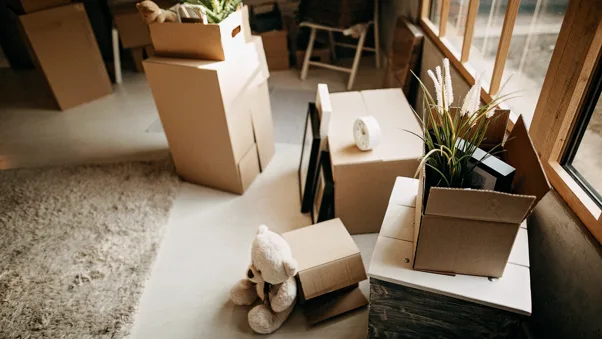
The Ultimate Moving Supplies Checklist for a Hassle-Free Move
Whether you’re moving yourself, hiring pros, or heading across state lines, the same rule applies: plan for the chaos before it shows up. A practical moving checklist keeps small problems from turning into moving-day disasters.
Why preparation matters
Moving can sneak up on you emotionally and physically. No surprise there. In fact, “63 percent reported that their most recent move was one of the most stressful events they have ever experienced.”
That’s why supplies matter. They’re not just “stuff.” They’re your buffer against broken dishes, scratched furniture, and frantic searching.
Where to start
Once you know your moving date, start with a realistic supply plan. Using Safe Ship’s moving supplies checklist can help you think through safety, licensed carriers, packing needs, and the quote confusion that often comes with moving.
Now, let’s connect the right supplies to the items they’re meant to protect.
Must-Have Moving Boxes for Every Type of Item
Boxes seem basic. They are not. The wrong box can buckle under books, crush fragile décor, or turn one simple load into a mess on the sidewalk. Choose containers based on weight, shape, and how far everything has to travel.
Everyday box types
Small boxes are best for heavy things: books, tools, canned food, cleaning bottles, and office supplies. Medium boxes work well for kitchen items, toys, décor, and small appliances. Large boxes should be reserved for lightweight items such as pillows, bedding, lampshades, and bulky blankets.
Here’s the simple test: if you wouldn’t want to carry it down stairs, don’t put it in a huge box.
Specialty and smarter boxes
Wardrobe boxes are great for hanging clothes because you can move garments straight from closet to box. Dish boxes add extra protection for plates, bowls, and glassware. TV boxes are worth the cost if you have a large screen you’d rather not gamble with.
Want a greener move? Look into reusable plastic crates, recycled cardboard suppliers, or local rental bins. Some neighborhoods even have box-sharing groups after big move-out weekends.
With containers handled, the next job is keeping items from shifting around inside them.
Moving Packing Essentials to Secure Your Belongings
A half-empty box is basically an invitation for damage. Good moving packing essentials fill gaps, cushion fragile pieces, and keep everything from clanking together during loading and transport.
Paper, bubble wrap, and peanuts
Packing paper is clean, flexible, and easy to use for plates, bowls, glassware, and small décor. Bubble wrap is better for delicate items like framed art, electronics, vases, and anything with corners that chip easily.
Packing peanuts can help fill weird empty spaces, though yes, they do have a talent for escaping everywhere. Use them when needed, but keep a trash bag nearby unless you want tiny foam bits haunting your new place.
Bags, blankets, and pads
Vacuum bags are excellent for clothes, towels, comforters, and seasonal bedding. They shrink soft items down and free up space fast.
For furniture, use moving blankets, stretch wrap, and furniture pads. These protect wood, metal, leather, and upholstered pieces from scratches, grime, dents, and those mystery truck scuffs nobody admits causing.
Protective materials do a lot. But the right tools decide how quickly packing actually gets done.
Vital Packing Tools for Efficient and Safe Packing
You can have the best boxes in the world, but without tape, labels, cutters, and markers, packing turns into a slow scavenger hunt. Keep tools in more than one room if possible. Trust me, one marker for a whole house will disappear by lunch.
Tape and cutting tools
Use strong packing tape, not flimsy office tape. A comfortable tape dispenser saves your hands and your patience. For heavier boxes, strapping tape adds extra support.
Keep scissors, a utility knife, and a small container for used blades nearby. If kids or pets are in the house, place sharp tools somewhere obvious to adults and unreachable to everyone else.
Labels and inventory tools
Color labels make unloading much easier. Use one color per room and write clearly on at least two sides of every box. Thick markers should live in the kitchen, bedrooms, garage, and wherever else packing is happening.
And if you’re tempted to leave everything until the night before, don’t. “Nearly half of all movers pack at the last minute… and more than half report breaking items during the move.”
Here’s a simple comparison to keep your supply choices practical.
| Supply | Best Use | Don’t Skimp When |
| Heavy-duty boxes | Dishes, books, tools | Items are dense or fragile |
| Stretch wrap | Furniture, drawers | Moving long distance |
| QR labels | Inventory tracking | You have many rooms |
| Moving blankets | Wood and appliances | Hiring a truck or movers |
Now that packing is covered, let’s talk about getting the heavy stuff out without wrecking your back.
Must-Have Moving Items for Transport and Loading
Once boxes are sealed, the real workout begins. Heavy furniture, awkward corners, stairs, and slick floors can turn moving day into a full-contact sport. The right must-have moving items make loading safer, quicker, and less stressful.
Dollies and lifting straps
A hand truck is ideal for stacked boxes, appliances, and other tall or heavy items. Furniture dollies help with dressers, couches, cabinets, and bulky pieces that are hard to grip.
Lifting straps are especially useful on stairs or tight paths. They help spread the weight and reduce strain, which matters when everyone is already tired and pretending they’re “fine.”
Sliders, ramps, and floor protection
Furniture sliders help move heavy pieces across carpet, tile, or hardwood without scraping the floor. Floor runners protect high-traffic paths. Door stoppers keep entryways open, which sounds small until someone is carrying a mattress sideways.
If you’re dealing with steps, curbs, or a high truck bed, a portable ramp can save time and a lot of grumbling.
Even with good gear, move day can still get messy if your essentials are buried.
Day-of-Move Survival Kit and Smart Supplies
Pack one clearly marked tote or box that stays with you. Not in the back of the truck. Not under twelve boxes labeled “misc.” With you.
First-day box basics
Include water, snacks, paper towels, toilet paper, hand soap, medication, phone chargers, basic tools, trash bags, pet food, and important paperwork. Add pajamas, a fresh outfit, towels, and bedding for the first night.
You may think you’ll unpack everything right away. You probably won’t. Future-you will be grateful for clean sheets and a phone charger.
Cleaning and tech helpers
Bring disinfecting wipes, gloves, a small vacuum, magic erasers, odor spray, and a few all-purpose cleaners. These are especially useful if you arrive before everything is fully cleaned.
Tech can help too. QR inventory labels, checklist apps, and smart plugs can make the first few hours feel less scattered and more manageable.
Once the basics are handled, you can think about saving money without making your move harder.
Smart Ways to Save on Essential Moving Supplies
Moving supplies add up quickly. The trick is knowing what deserves your money and what you can borrow, rent, or find for less.
What to buy and what to borrow
Buy quality packing tape, mattress bags, specialty boxes, and solid padding. These protect the things that are expensive or annoying to replace.
Borrow or rent dollies, reusable bins, moving blankets, and ramps from local movers, neighbors, community groups, or hardware stores. Just make sure borrowed supplies are clean, sturdy, and actually available on moving day.
Printable checklist section
Create a printed list that includes boxes, tape, labels, padding, tools, transport gear, cleaning products, and first-night items. Put it on the fridge or somewhere impossible to ignore.
Then check things off room by room. It’s old-school, but it works. And honestly, crossing items off a list during a move feels weirdly satisfying.
With your supply plan ready, let’s answer the questions that usually lead to overbuying or underpacking.
Final Thoughts on a Smoother Move
A good moving supplies checklist turns a stressful move into a series of doable steps. The right boxes protect your belongings. Clear labels make unpacking faster. Essential moving supplies help keep move day from spiraling.
Add transport gear, cleaning items, and a first-night kit, then adjust the list for your home. Print it, mark it up, and start early. Your calmer move begins long before the first box is taped.
FAQs on Moving Supplies
1. How many moving boxes will I really need?
It depends on your home size, how much you own, and how early you start sorting. A studio may need far fewer boxes than a family home with a garage, attic, and closets full of “I’ll deal with it later” items.
Start with nonessentials first. As each room empties, you’ll get a better sense of whether you need more boxes.
2. Can I use regular trash bags instead of specialty moving bags?
Yes, but only for soft items like pillows, blankets, clothes, and stuffed toys. Don’t use trash bags for breakables, electronics, liquids, sharp objects, or anything valuable.
Trash bags tear easily and offer almost no structure. They’re useful, but they are not magic.
3. What are must-not-forget last-minute moving items?
Keep chargers, keys, wallet, medication, wipes, trash bags, snacks, water, pet supplies, and important documents with you. Do not load them into the truck unless you enjoy digging through boxes while exhausted.
Once those details are handled, the rest is mostly execution.