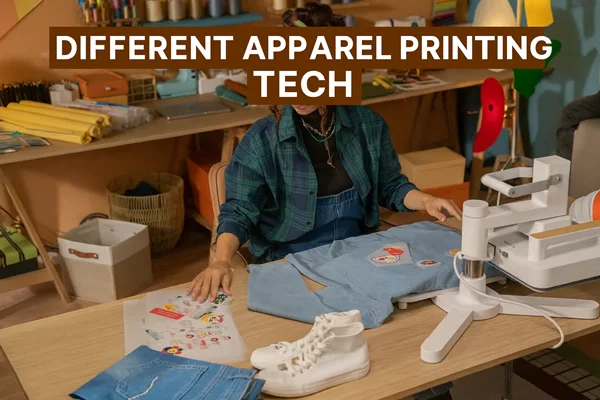
Apparel printing has become more accessible than ever, and many people begin their journey by learning what makes each method distinct. It’s common to start with questions like what is DTF printing or how new methods compare to long-established options such as screen printing and sublimation. Understanding these differences helps creators choose the right technology for their projects, whether they’re designing shirts, textile art, or personalized items. Different Apparel Printing Tech: DTF vs. Screen Printing vs. Sublimation.
As more people explore custom gifting, home based production, and creative merchandise, the ability to compare these printing techniques becomes even more important. This often leads beginners to research equipment and learn how to evaluate tools, especially when looking for features associated with the best DTF printer. Still, the focus should always begin with understanding the strengths and limitations of the printing technologies themselves. Explore different apparel printing technologies—DTF vs. screen printing vs. sublimation. Learn key differences, pros, cons, durability, cost, and best uses to choose the right printing method.
How Each Printing Method Works
Although these three methods all transfer artwork onto fabric, they rely on different processes. These differences change the feel, durability, color quality, and which fabrics the method can handle.
DTF vs. Screen Printing vs. Sublimation: What are the differences between DTF, Screen Printing and Sublimation?
DTF Printing
DTF, or Direct to Film printing, involves printing a design on a transfer film, coating it with adhesive powder, and pressing it onto fabric using heat. This method is prized for its ability to handle detailed artwork, fine gradients, and vibrant colors with ease.
A major advantage of DTF is flexibility. It works on cotton, blends, darker textiles, and many materials that other methods struggle with. Because of this, DTF has become a favorite for creators who want both quality and versatility, without worrying about fabric limitations.
Screen Printing
Screen printing uses mesh screens to push ink onto fabric, one color at a time. It’s one of the oldest and most reliable printing techniques, known for producing bold, long lasting designs. When working with large batches, screen printing is often the most efficient and cost effective option.
However, screen printing becomes more complicated when the design includes many colors or fine details. Each color requires a new screen, which adds time and increases costs. This makes screen printing less ideal for small runs or complex artwork but excellent for simple logos and large uniform orders.
Sublimation
Sublimation uses heat to turn dye into gas, which bonds directly into polyester fibers. This makes the design part of the fabric itself, resulting in a print that never cracks, fades, or peels.
Sublimation shines with detailed images, full color prints, and photo realistic artwork. The limitation is that sublimation requires polyester or polymer coated surfaces. It does not perform well on cotton unless special pretreatment methods are used, and the process works best on lighter fabrics.
Pros and Cons of Each Method
Choosing the right technique depends on your material, design, and project goals.
DTF Printing
Strengths:
• Works on a wide range of fabrics
• Supports detailed, multicolor artwork
• Produces flexible and durable prints
Limitations:
• Involves multiple steps
• Requires careful temperature and pressure control
Screen Printing
Strengths:
• Extremely durable results
• Ideal for bold graphics and limited color designs
• Cost effective for bulk production
Limitations:
• High setup time
• Not ideal for detailed or multicolor images
Sublimation
Strengths:
• Soft and permanent print
• Perfect for high detail and full color images
• Great for all over prints
Limitations:
• Requires polyester fabrics
• Colors may appear dull on darker backgrounds
Which Method Fits Your Needs?
Each technique serves different goals, so your choice depends on the type of project you’re working on.
Choose DTF if:
• You need flexibility across various fabrics
• Your designs include detailed shading or gradients
• You want strong, long lasting prints on cotton or blends
Many creators researching this method eventually look into features associated with saving producing time and reducing the maintenance of the DTF printing machine. The best DTF printer should pay attention to optimizing the printing process, and to help solve the clogging problem that normal DTF printers usually meet. This is essential for small business planning to scale production or increase output with a DTF technique.
Choose Screen Printing if:
• You are producing large quantities of the same design
• You prefer a bold, textured ink finish
• Your artwork is simple and uses few colors
Choose Sublimation if:
• You want prints with a soft feel and no added texture
• You are working with polyester performance wear
• You need photo quality images
Why Understanding These Methods Matters
Knowing how these technologies differ helps you make better creative choices. You avoid wasted materials, mismatched techniques, and unnecessary expenses. You also gain the confidence to match the right method with the right fabric, design style, and production scale.
Whether you’re creating one-of-a-kind gifts, building a small business, or experimenting with new materials, a solid understanding of apparel printing technology gives you more control over your results. By learning how DTF, screen printing, and sublimation compare, you can choose the approach that matches your vision and ensures your work stands the test of time. That’s all on the Different Apparel Printing Tech: DTF vs. Screen Printing vs. Sublimation.
- You may love to read: Types of Screen Printing, and Its Use
- 10 Best Screen Printing Accessories Review and Buying Guide