
Sourcing wholesale rope hats is more than comparing prices between suppliers. For importers, distributors, promotional companies, and retail brands, choosing the right manufacturing partner directly impacts product quality, delivery reliability, and customer satisfaction. A low quotation may seem attractive, but inconsistent craftsmanship, production delays, or poor communication can quickly turn a cost-saving decision into an expensive problem.
Whether you’re launching a new collection or expanding an existing product line, this guide highlights the key factors every buyer should consider before ordering rope hat wholesale in bulk.
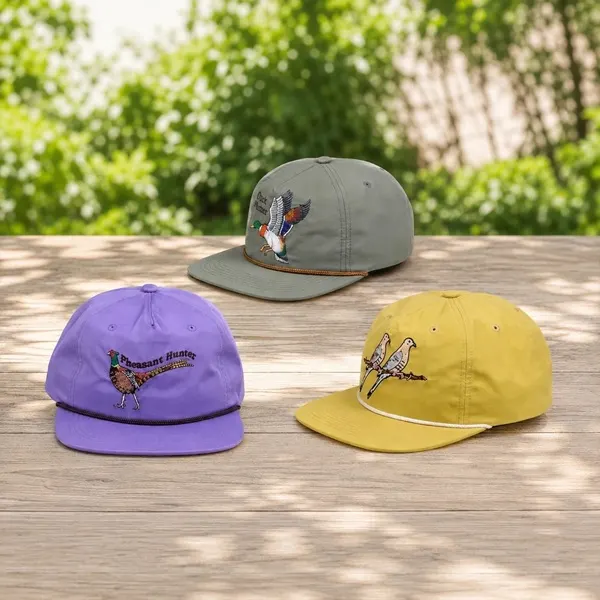
Define Your Rope Hat Specifications Before Requesting Quotes
Accurate quotations begin with clear product specifications. Requesting prices without defining your requirements often results in inconsistent quotations that are difficult to compare.
Before contacting suppliers, prepare a specification sheet covering the following details:
- Panel construction (5-panel or 6-panel)
- Crown profile and visor shape
- Fabric type (cotton, polyester, nylon, performance fabric, etc.)
- Rope style and color
- Logo decoration method
- Back closure
- Sweatband and inner tape
- Private label requirements
- Packaging specifications
- Order quantity
Providing complete information allows manufacturers to calculate costs accurately and reduces revisions during sampling.
If you’re still developing your product, an experienced supplier should be able to recommend suitable materials and construction based on your target market, budget, and branding goals.
Choose a Reliable Rope Hat Manufacturer
Price is only one part of the purchasing decision. The right manufacturer should offer consistent quality, stable production capacity, and reliable communication throughout the project.
When evaluating suppliers, focus on these key areas.
Manufacturing Experience
Manufacturers with years of headwear production experience typically have more mature production processes and can better handle custom requirements, quality issues, and delivery schedules.
Factory Capabilities
Ask whether the supplier owns its factory or outsources production. A direct manufacturer usually provides greater control over quality, lead times, and customization.
It’s also worth reviewing the factory’s production equipment, monthly capacity, and experience serving overseas markets.
Certifications and Compliance
If your products are sold through retailers or international distributors, certifications such as BSCI, WRAP, ISO 9001, or Sedex demonstrate that the factory follows recognized quality and social compliance standards.
Communication Efficiency
Fast, professional communication is often a sign of an organized manufacturer. A supplier that responds quickly, provides clear production updates, and offers practical solutions can save significant time throughout the project.
How to Evaluate the Quality of Wholesale Rope Hats
Quality inspection should go beyond checking the logo. Every component contributes to the finished product and ultimately reflects your brand.
Fabric and Construction
Inspect the fabric for consistency in texture, color, and durability. The crown should maintain its shape, while the visor should be evenly curved with clean stitching throughout the cap.
Embroidery and Decoration
Check that embroidery is sharp, centered, and free from loose threads. If you’re using patches or printed logos, ensure they are securely attached and accurately positioned.
Rope Quality
The rope is one of the defining features of a rope hat and deserves special attention during inspection.
Review the following:
- Straight and even rope placement
- Consistent stitching along the rope
- Uniform rope thickness
- Secure attachment without loose ends
- Consistent rope color across the entire production run
Even small inconsistencies in the rope can noticeably affect the appearance of the finished cap.
Interior Details
Don’t overlook components hidden inside the hat. Inspect the sweatband, seam tape, labels, and overall interior finishing to ensure they meet your quality standards.
Understand Your Customization Options
Customization is what transforms a standard cap into a product that represents your brand. Beyond logo decoration, rope hats offer several unique customization opportunities that can help your products stand out.
Customize the Rope
Many buyers focus on embroidery while overlooking the rope itself. In fact, customizing the rope can significantly change the overall appearance of the cap.
Depending on your design, you can customize:
- Rope color
- Single-color or multi-color rope
- Cotton, polyester, or nylon rope
- Braided or twisted rope styles
- Thick or thin rope
- Matching rope for a clean look
- Contrast rope for a more eye-catching design
Selecting the right rope style helps reinforce your brand identity while creating a unique product that stands out in the market.
Logo Decoration
Popular decoration options include:
- Flat embroidery
- 3D puff embroidery
- Woven patches
- Leather patches
- Rubber patches
- Printed logos
Choose the decoration method based on your logo design, target market, and budget.
Additional Customization
You can also personalize other components, including:
- Metal buckle or snapback closure
- Custom woven labels
- Printed seam tape
- Custom sweatbands
- Hang tags
- Retail packaging
Discussing every customization detail before sampling helps avoid production changes later.
What Affects Wholesale Rope Hat Pricing?
Wholesale pricing depends on much more than order quantity. Understanding the main cost factors allows buyers to compare quotations more effectively.
Key pricing factors include:
- Fabric selection
- Rope material and style
- Logo decoration method
- Number of embroidery locations
- Custom accessories
- Packaging requirements
- Order quantity
- Shipping method
Rather than choosing the lowest quotation, compare suppliers based on the total value they provide, including quality, communication, production reliability, and after-sales support.
Don’t Skip Sample Approval, Production Planning, and Quality Control
Approving a production sample is one of the most effective ways to reduce purchasing risks.
Before mass production begins, verify:
- Fabric color
- Logo placement
- Rope style and color
- Cap shape
- Fit
- Packaging details
Once the sample is approved, confirm the production schedule with your supplier. A professional manufacturer should provide clear timelines for sample production, mass production, inspection, and shipment while keeping you informed throughout the process.
Quality control should take place during production—not only before shipment. Ask suppliers about their inspection procedures, including raw material inspection, in-line quality checks, and final product inspection, to ensure consistent quality from the first cap to the last.
Common Mistakes Buyers Should Avoid
Even experienced buyers can encounter avoidable problems during sourcing.
Some of the most common mistakes include:
- Choosing suppliers based only on price
- Comparing quotations with different specifications
- Skipping sample approval
- Ignoring rope quality and attachment details
- Confirming artwork without checking Pantone colors
- Failing to discuss packaging requirements early
- Not confirming production lead times before placing an order
Avoiding these issues can save both time and money while reducing production risks.
Why Partner with Sumkcaps?
Finding the right supplier is about building a long-term partnership rather than completing a single order.
As an experienced China custom hat manufacturer, Sumkcaps has more than 20 years of experience producing custom headwear for brands, wholesalers, distributors, and promotional companies worldwide.
Our advantages include:
- MOQ: 200 pcs per design per color
- OEM & ODM manufacturing services
- Fast sample development within 7–9 working days
- Production lead time of approximately 18–22 working days
- Professional embroidery and customization capabilities
- Strict quality inspection throughout production
- Flexible payment options
- Export experience covering more than 140 countries
- Responsive project management and after-sales support
From product development to final delivery, we work closely with customers to ensure every order meets quality expectations, production schedules, and branding requirements.
Final Thoughts
Successful rope hat sourcing isn’t about finding the cheapest supplier—it’s about finding the right one. By clearly defining your product specifications, evaluating manufacturing capabilities, inspecting product quality, understanding customization options, and confirming production processes, you can reduce purchasing risks and build a more reliable supply chain.
A dependable manufacturing partner will not only deliver quality wholesale rope hats but also support your business as your brand grows, helping you bring consistent, market-ready products to customers with confidence.
FAQ
1. What should I consider before buying wholesale rope hats?
Before placing a bulk order, define your hat specifications, including material, panel style, rope design, logo decoration, closure, packaging, and quantity. Clear requirements help suppliers provide accurate quotes and reduce production issues.
2. How do I choose a reliable rope hat manufacturer?
Choose a manufacturer with proven experience, factory capabilities, certifications, stable production capacity, and efficient communication. A reliable supplier should provide consistent quality, clear timelines, and professional customization support.
3. What customization options are available for wholesale rope hats?
Wholesale rope hats can be customized with rope colors, materials, logo embroidery, patches, labels, closures, sweatbands, packaging, and other accessories to create unique branded products.
4. What factors affect wholesale rope hat pricing?
Pricing depends on material selection, rope style, decoration method, order quantity, customization details, packaging, and shipping method. Comparing overall value is more important than choosing the lowest price.