
A lot of brides wonder if it’s okay to have some bridesmaids in satin while others wear chiffon. The good news is that it absolutely works—but it takes a little planning. Mixing the two fabrics can add texture and movement, creating a lively, visually appealing bridal party that still feels cohesive. This article discusses Discover practical tips for coordinating satin and chiffon bridesmaid dresses, from color matching to fabric balance, styling ideas, and a polished wedding look.
Understanding the Characteristics of Satin and Chiffon
The Texture and Style of Satin
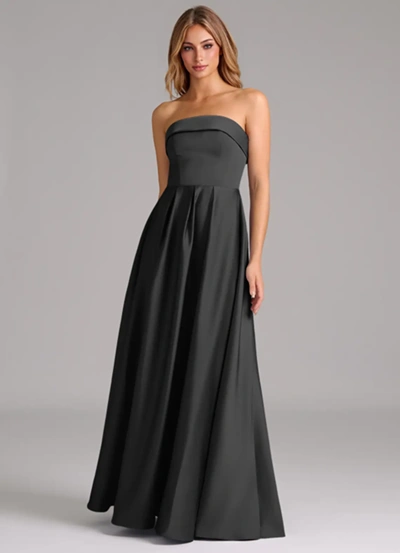
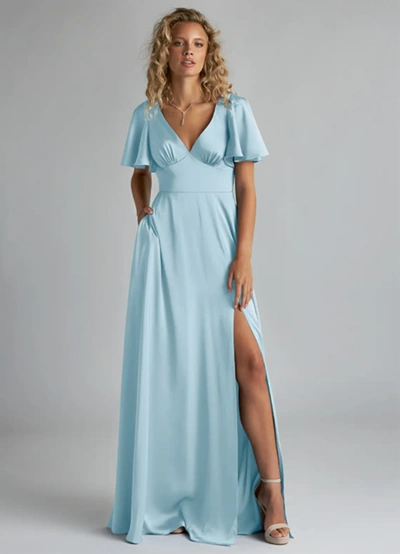
Satin is renowned for its smooth, glossy finish that catches the light beautifully. This fabric naturally exudes luxury and sophistication, which is why many brides choose satin bridesmaid dresses for a polished and elegant look. Satin dresses tend to have a structured drape, giving the bridal party a refined silhouette that works well in formal settings. Pairing them thoughtfully with softer fabrics like chiffon can create a balanced and visually interesting ensemble.
The Lightness and Flow of Chiffon
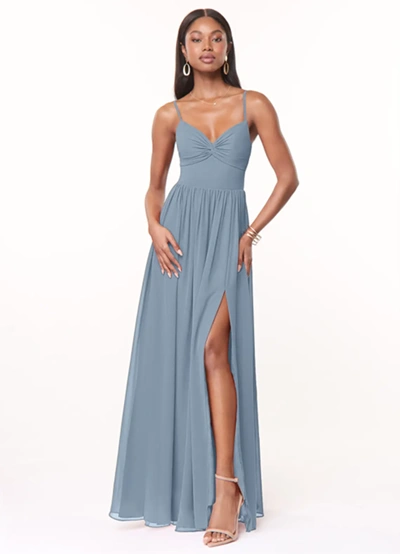
Chiffon is airy, soft, and flowing, making it a favorite for creating a romantic, whimsical vibe. Many brides opt for chiffon bridesmaid dresses because they move gracefully with every step, adding an ethereal touch to the bridal party. This lightweight fabric also works well for outdoor or garden weddings and complements the structured elegance of satin when mixed thoughtfully.
How Fabric Affects the Wedding Atmosphere
The choice of fabric can set the tone for the entire wedding. Satin communicates formal elegance, while chiffon suggests ease and romance. By thoughtfully combining these fabrics, you can achieve a layered, visually rich aesthetic that appeals both on camera and in person. For instance, pairing satin gowns for the bridesmaids closest to the bride with chiffon dresses for others can create depth and dimension in wedding photos.
The Feasibility of Mixing Fabrics
Mixing satin and chiffon bridesmaid dresses is not only possible but also an opportunity to enhance the overall visual appeal of your wedding party.
The Importance of Color Coordination
Color plays a critical role when combining different fabrics. Even when mixing satin and chiffon, keeping all dresses within a harmonious color palette ensures that the bridal party still feels cohesive. Soft pastels, muted tones, and jewel shades tend to work well, as they reduce the risk of one fabric appearing too bold or overpowering.
Creating Layers Between Fabrics
Layering textures is another strategy to make the mix look intentional rather than haphazard. For example, pairing a matte chiffon dress with a subtle satin sash or accent allows the fabrics to complement each other. This method enhances dimension and provides visual interest without compromising cohesion.
Matching Dresses to Body Shapes
When mixing fabrics, it’s essential to consider how different materials drape over various body types. Satin tends to cling and highlight curves, while chiffon skims the body gently. Offering both options gives your bridesmaids the flexibility to choose a fabric that flatters their figure, enhancing confidence and comfort throughout the wedding day.
Practical Styling Tips
Keep Colors Coordinated
Even if some bridesmaids wear satin and others wear chiffon, sticking to a unified color palette is key. For instance, pairing blush satin bridesmaid dresses with blush chiffon options creates contrast in texture without clashing. You can also use shades within the same family—like champagne satin and ivory chiffon—for subtle variety that still feels harmonious.
Coordinating Accessories and Shoes
Accessories can tie the group together. Matching belts, statement earrings, or coordinated shoes can create visual unity. For example, a satin dress with a metallic belt can echo the elegance of a chiffon dress with a similar accessory, reinforcing harmony without forcing everyone into the same fabric.
Avoiding Common Pitfalls
Uncoordinated Colors and Fabrics
One of the biggest pitfalls is letting the mix of fabrics look mismatched. Even if the textures differ, the overall color palette should feel cohesive. Avoid pairing fabrics in clashing tones or having satin dresses that are much brighter than the chiffon options. Using tools like a color swatch or mood board can help keep the ensemble visually harmonious.
Ignoring the Overall Wedding Theme and Palette
Even small accessories can make or break the look. When the fabrics vary, try to unify the group with subtle, matching accents such as coordinated shoes, belts, or jewelry, rather than adding too many contrasting details that could make the mix feel chaotic.
Conclusion
Mixing satin and chiffon bridesmaid dresses is not only possible but can elevate the style and visual interest of your bridal party. By understanding each fabric’s characteristics, carefully coordinating colors, considering body shapes, and unifying accessories, you can create a harmonious and elegant ensemble