
Smart Textile Testing Machines: Types, Benefits, Applications & Future Trends in the Textile Industry
Introduction
The textile industry is undergoing a rapid transformation driven by automation, digitalization, and smart technologies. One of the most impactful innovations in this space is the development of smart textile testing machines. These advanced systems are redefining how textile manufacturers ensure quality, consistency, and compliance with global standards.
Traditional textile testing methods often rely on manual processes that are time-consuming, prone to human error, and inefficient for large-scale production. In contrast, smart textile testing machines integrate cutting-edge technologies such as artificial intelligence (AI), Internet of Things (IoT), and automation to deliver faster, more accurate, and data-driven results.
In this article, we will explore what smart textile testing machines are, how they work, their types, benefits, applications, and future trends in the textile industry.
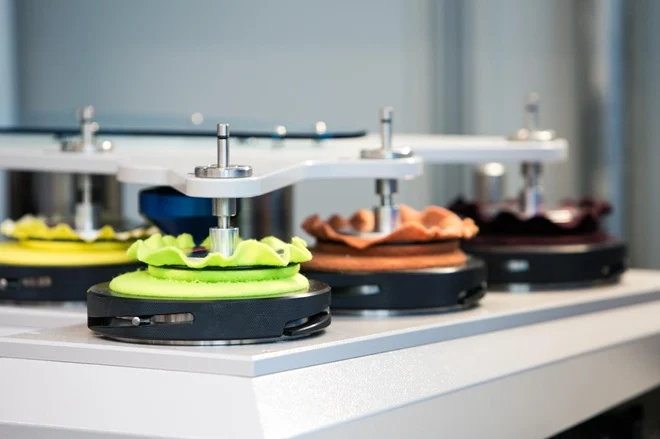
What Are Smart Textile Testing Machines?
Smart textile testing machines are advanced, automated systems designed to evaluate the physical, mechanical, and chemical properties of textile materials using intelligent technologies. These machines are equipped with sensors, digital interfaces, and data analytics capabilities that allow real-time monitoring and precise measurement.
Unlike conventional testing equipment, smart machines can:
- Automatically collect and analyze data
- Detect defects with high accuracy
- Store test results digitally
- Integrate with production systems
This makes them essential tools for modern textile laboratories and manufacturing units.
Key Features of Smart Textile Testing Machines
Smart textile testing machines stand out due to their innovative features. Below are some of the most important characteristics:
1. Automation and Precision
Automation reduces human intervention, ensuring consistent and repeatable results. These machines can perform multiple tests with minimal supervision.
2. Real-Time Data Monitoring
With built-in sensors and digital dashboards, users can monitor testing processes in real time, improving decision-making.
3. IoT Connectivity
Smart machines can connect to centralized systems, allowing remote monitoring, data sharing, and integration with ERP or MES systems.
4. Artificial Intelligence Integration
AI algorithms help in defect detection, pattern recognition, and predictive analysis, enhancing testing accuracy.
5. User-Friendly Interfaces
Modern machines come with touchscreens, intuitive software, and easy-to-use controls, making them accessible even for non-experts.
Types of Smart Textile Testing Machines
Smart textile testing machines are available for various testing purposes. Below are the most common types:
1. Tensile Strength Testing Machines
These machines measure the strength and elongation of fabrics, yarns, and fibers. Smart versions provide automated loading and digital result analysis.
2. Fabric GSM Testing Machines
Used to measure fabric weight per square meter, smart GSM testers offer precise digital readings and automatic calculations.
3. Color Fastness Testing Machines
These machines evaluate how well a fabric retains its color under conditions like washing, rubbing, and light exposure.
4. Air Permeability Testers
Smart air permeability machines measure how easily air passes through fabric, which is crucial for comfort and performance textiles.
5. Martindale Abrasion and Pilling Testers
These machines assess fabric durability by simulating wear and tear. Smart versions track cycles and provide automated reports.
6. Moisture Management Testers
Used for performance textiles, these machines evaluate moisture absorption, wicking, and drying properties.
How Smart Textile Testing Machines Work
Smart textile testing machines operate through a combination of hardware and software technologies. Here’s a simplified explanation:
- Sample Placement
The fabric or yarn sample is placed in the machine. - Sensor Activation
Sensors detect physical or chemical properties such as force, pressure, or color changes. - Data Collection
The machine collects data during the test process. - AI-Based Analysis
Advanced algorithms analyze the data and identify patterns or defects. - Result Generation
Results are displayed on a digital interface and stored in a database. - Reporting and Integration
Data can be exported or integrated with other systems for further analysis.
Benefits of Smart Textile Testing Machines
The adoption of smart textile testing machines offers numerous advantages:
1. Improved Accuracy
Smart systems minimize human errors and provide highly precise results.
2. Increased Efficiency
Automation speeds up testing processes, saving time and labor costs.
3. Consistency and Reliability
Repeatable testing ensures consistent product quality.
4. Data-Driven Decision Making
Digital records and analytics help manufacturers make informed decisions.
5. Cost Reduction
Reduced waste, fewer defects, and optimized processes lead to lower production costs.
6. Compliance with Standards
Smart machines help meet international standards such as ISO, ASTM, and AATCC.
Applications in the Textile Industry
Smart textile testing machines are widely used across different sectors of the textile industry:
1. Apparel Manufacturing
Ensuring fabric strength, color fastness, and durability for garments.
2. Technical Textiles
Testing high-performance materials used in medical, automotive, and industrial applications.
3. Home Textiles
Evaluating quality parameters for products like bedding, curtains, and upholstery.
4. Research and Development
Supporting innovation in new textile materials and finishes.
5. Quality Control Laboratories
Providing accurate testing for compliance and certification.
Challenges and Limitations
Despite their advantages, smart textile testing machines also face some challenges:
1. High Initial Investment
The cost of advanced machines can be significant for small manufacturers.
2. Technical Expertise Required
Operating and maintaining smart systems requires skilled personnel.
3. Integration Issues
Connecting machines with existing systems can be complex.
4. Maintenance Costs
Regular calibration and maintenance are essential to ensure accuracy.
Future Trends in Smart Textile Testing
The future of smart textile testing machines looks promising, with several emerging trends:
1. AI and Machine Learning Advancements
More sophisticated algorithms will improve defect detection and predictive maintenance.
2. Cloud-Based Data Management
Data storage and analysis will increasingly move to cloud platforms for better accessibility.
3. Industry 4.0 Integration
Smart testing machines will become fully integrated with smart factories and automated production lines.
4. Portable Testing Devices
Compact and portable smart testers will enable on-site quality checks.
5. Sustainability Focus
Machines will be designed to support eco-friendly testing methods and reduce energy consumption.
Tips for Choosing the Right Smart Textile Testing Machine
If you are planning to invest in smart textile testing equipment, consider the following factors:
- Testing Requirements: Identify the specific tests you need
- Accuracy and Standards Compliance: Ensure the machine meets industry standards
- Ease of Use: Look for user-friendly interfaces
- Software Capabilities: Check data analysis and reporting features
- After-Sales Support: Choose reliable manufacturers with good service support
- Budget: Balance cost with long-term benefits
Conclusion
Smart textile testing machines are transforming the textile industry by enhancing quality control, improving efficiency, and enabling data-driven decision-making. As the demand for high-quality and sustainable textile products continues to grow, these advanced systems will play a crucial role in meeting industry standards and customer expectations.
While the initial investment may be high, the long-term benefits in terms of accuracy, productivity, and cost savings make smart textile testing machines a worthwhile investment for modern textile manufacturers.
By embracing these technologies, businesses can stay competitive, reduce defects, and ensure consistent product quality in an increasingly demanding global market.